CHAPTER 4:
Literary Lens
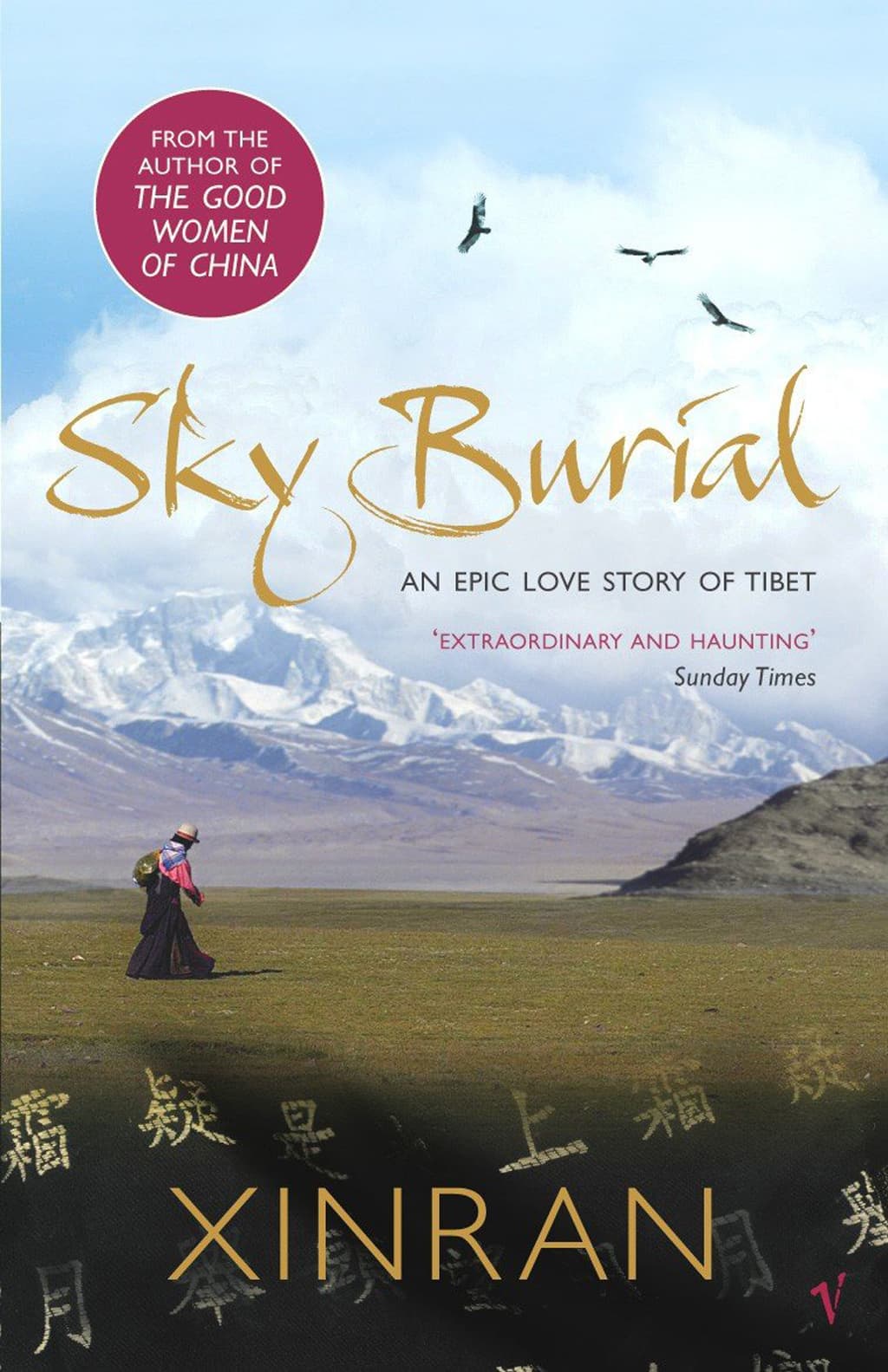
Sky burial
Sky Burial tells the story of Shu Wen, a Chinese doctor whose husband dies while serving in Tibet. Initially, Shu Wen is reluctant and unsettled by the unfamiliar customs of Tibetan life, especially the practice of sky burial, which challenges her previous notions of death and ritual. Over the decades she spends living among Tibetan nomads, she gradually comes to understand and honor their traditions, embracing the spiritual depth and harmony within their culture.
Having attended Christian, Catholic, and Jewish schools, I have always been aware of diverse religious perspectives, but Sky Burial helped me connect with the Buddhist part of myself in a new way. Even though I am Buddhist, I had never heard of or witnessed a sky burial before, and learning about it through Shu Wen’s story opened my eyes to how much we don’t even know about ourselves and the world. Shu Wen’s journey of openness and acceptance resonated deeply with me, showing that cultural and spiritual differences can feel challenging at first, yet can ultimately expand understanding and compassion.
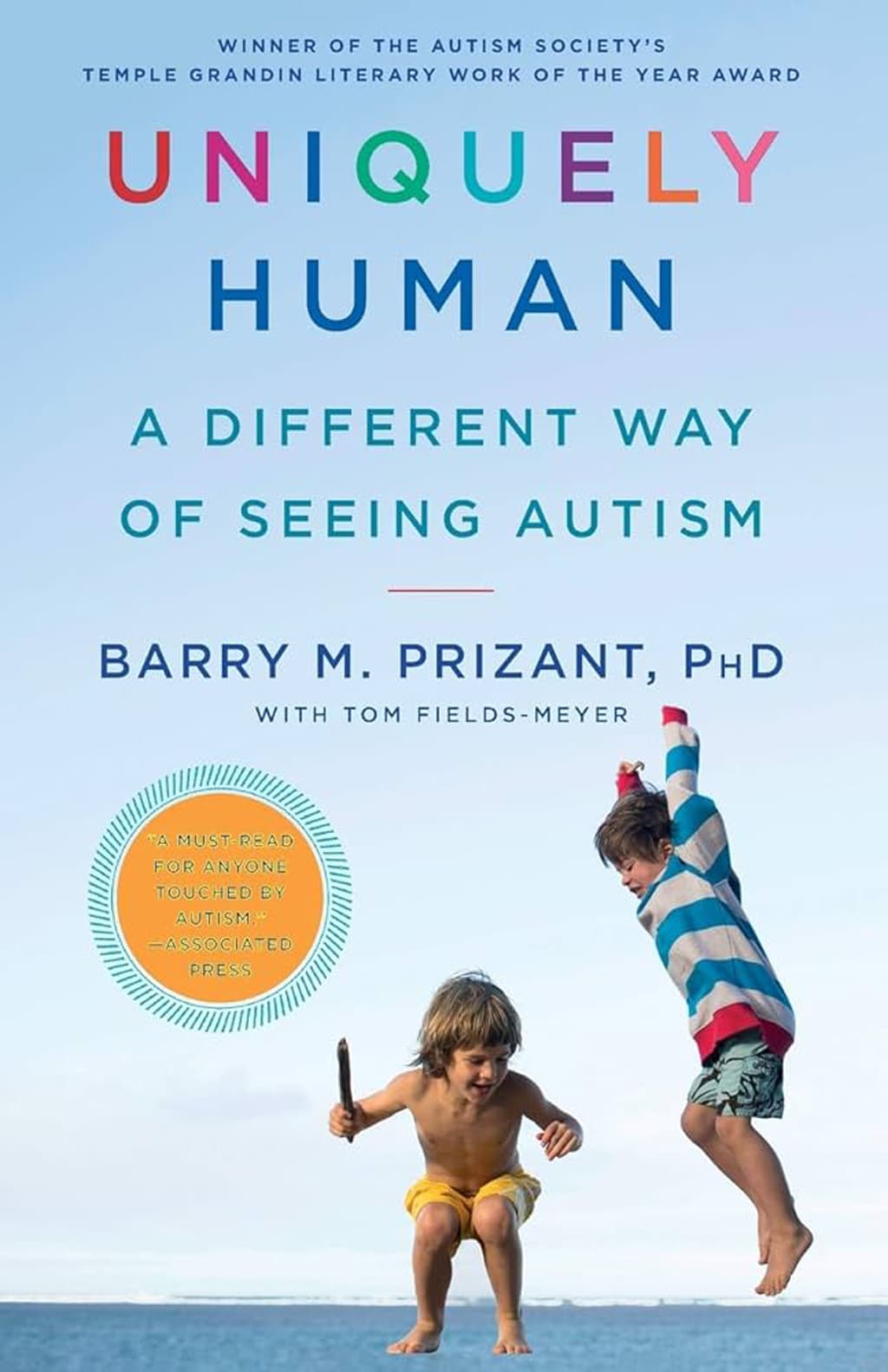
Uniquely Human: A different way of seeing autism
Barry Prizant’s Uniquely Human challenged me to see autism not as a set of deficits to be managed, but as a spectrum of rich, human behaviors deserving understanding, empathy, and respect. Chapter 7, “What It Takes to ‘Get It,’” resonated deeply. I recognized the exhaustion of families feeling misunderstood, and the transformative power of encountering people who truly get it. This mirrored my own experience in founding The APRIL: creating a space where autistic individuals and their families are seen, heard, and valued. The idea that support comes not from control but from curiosity, trust, and compassion became foundational in how I designed programs and community initiatives.
At the same time, I acknowledge the book’s limitations. Published in 2015, its use of person-first language (“person with autism”) does not reflect the shifts toward identity-first language embraced by many autistic adults today. The book also focuses primarily on male autistic individuals, leaving out the experiences of those who do not fit the “typical” diagnostic mold.
Prizant’s emphasis on digging deeper, asking what motivates behaviors rather than suppressing them, helped to improve communication with my brother and reinforce my commitment to design programs that honor each individual’s strengths and humanity.
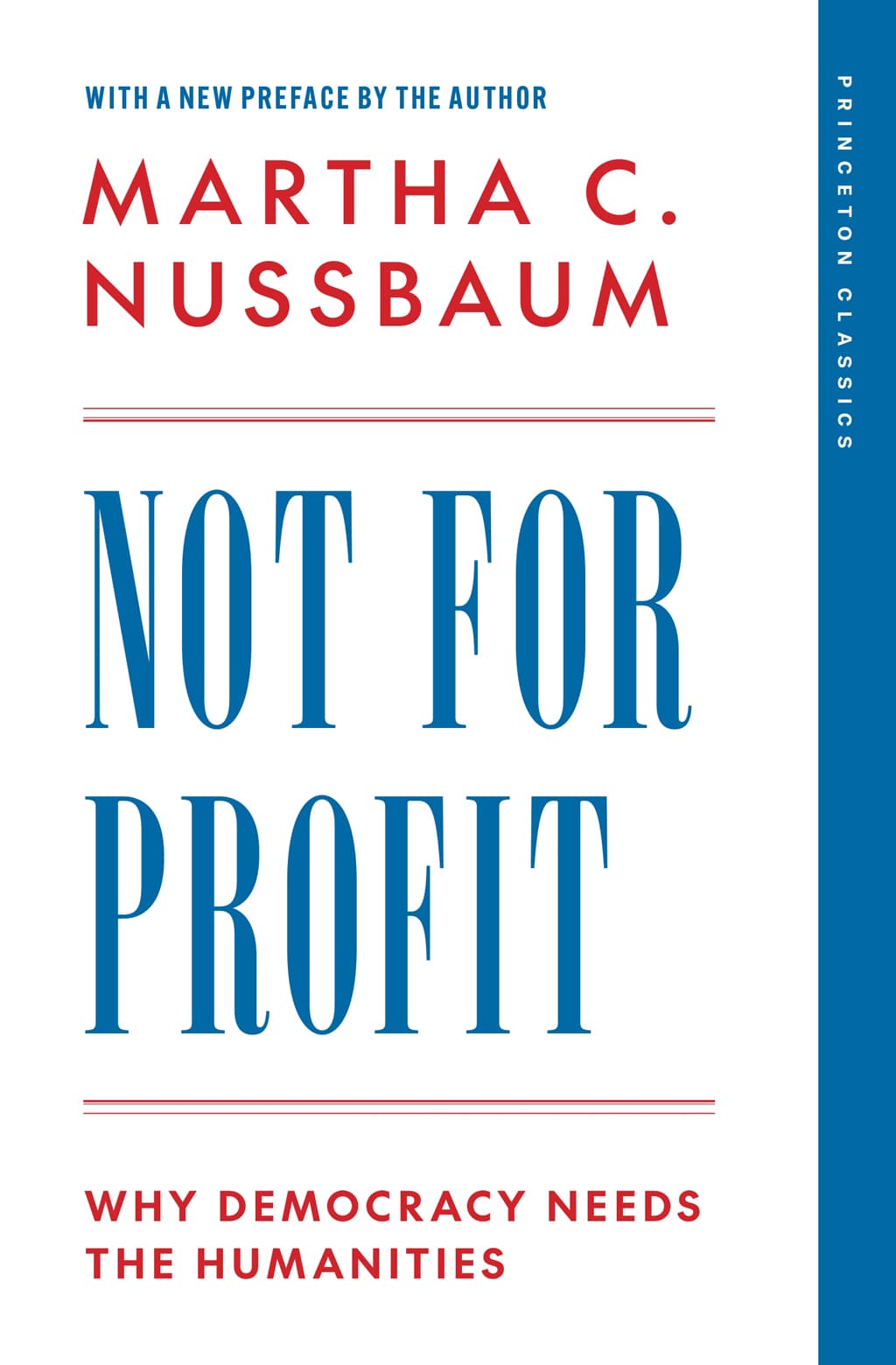
Not for profit: Why democracy needs the humanities
Reading Martha Nussbaum’s Not for Profit reminded me why I care so deeply about the humanities and their role in shaping thoughtful, compassionate citizens. Nussbaum argues that education today often prioritizes technical skills and economic growth over the arts and humanities, leaving students unprepared for democratic participation and ethical reflection. She emphasizes that subjects like literature, history, and philosophy cultivate critical thinking, imagination, and empathy, the faculties that allow us to understand others, question assumptions, and engage in meaningful dialogue.
In Vietnam, I saw firsthand how schools often neglect the arts, prioritizing test scores over imagination or moral development. For many students, creative expression is dismissed rather than nurtured. This context made The APRIL Collective Foundation’s emphasis on art therapy profoundly meaningful to me. Through art, I have seen autistic children and myself discover voices, identities, and ways of connecting that numbers and metrics could never measure. Art became a bridge for empathy and self expression, echoing Nussbaum’s vision of humanistic education. Like a Socratic discussion, this process encourages questioning, reflection, and dialogue, allowing participants to explore ideas deeply, consider multiple perspectives, and reason carefully. The APRIL has been my laboratory for that philosophy, showing me that cultivating creativity and empathy is essential for building more humane and interconnected communities.
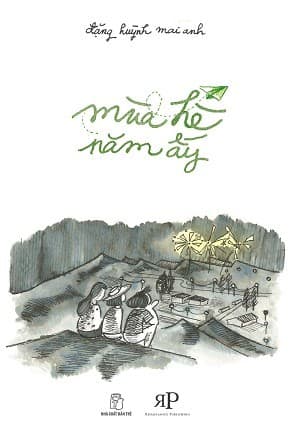
Mùa hè năm ấy
Reading Mùa hè năm ấy was like seeing a mirror of my own journey at YYGS. Mai Anh’s writing is often known for being simple, sincere, and filled with small, vivid details that really capture the awkwardness, mistakes, and first-time experiences of a young traveler discovering a new country and culture. Her honesty and persistence in navigating cultural exchanges, environmental projects, and personal growth deeply inspired me.
At YYGS, I felt the same nervousness and self-consciousness Mai Anh described: struggling with new social norms, grappling with complex ideas, and learning how to express myself in a global environment. Yet, it’s exactly those everyday moments, such as the emails sent, deadlines managed, and conversations navigated, that teach resilience, responsibility, and growth.
Her story reminded me that learning and maturity are processes, not destinations. Each misstep or moment of discomfort opens the door to greater understanding, resilience, and confidence. Mai Anh’s journey inspired me to embrace the unknown, to pay attention to both big and small experiences. Personal and professional development comes from embracing all aspects of a journey, not just the highlights.
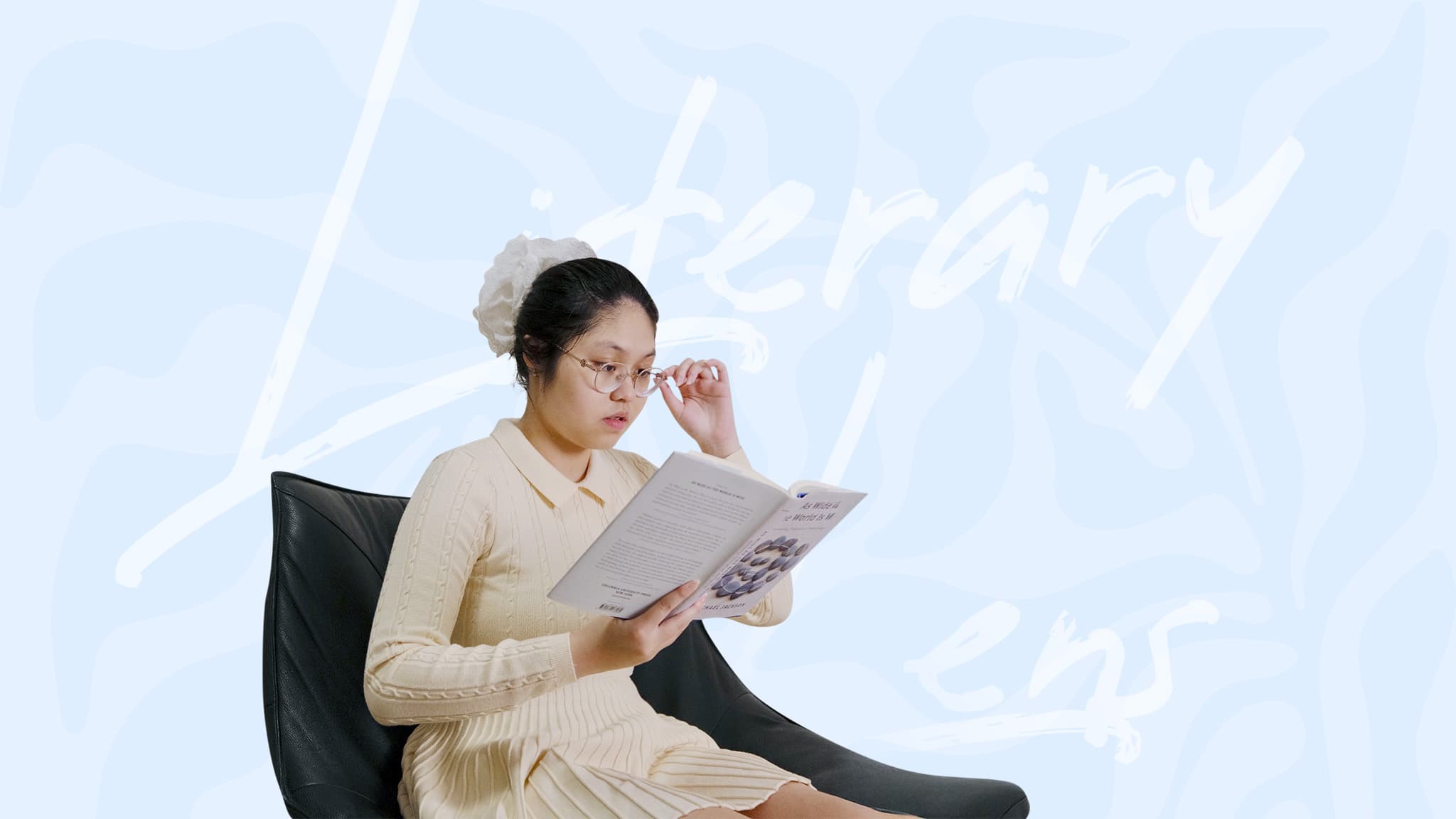
As Wide as the World Is Wise
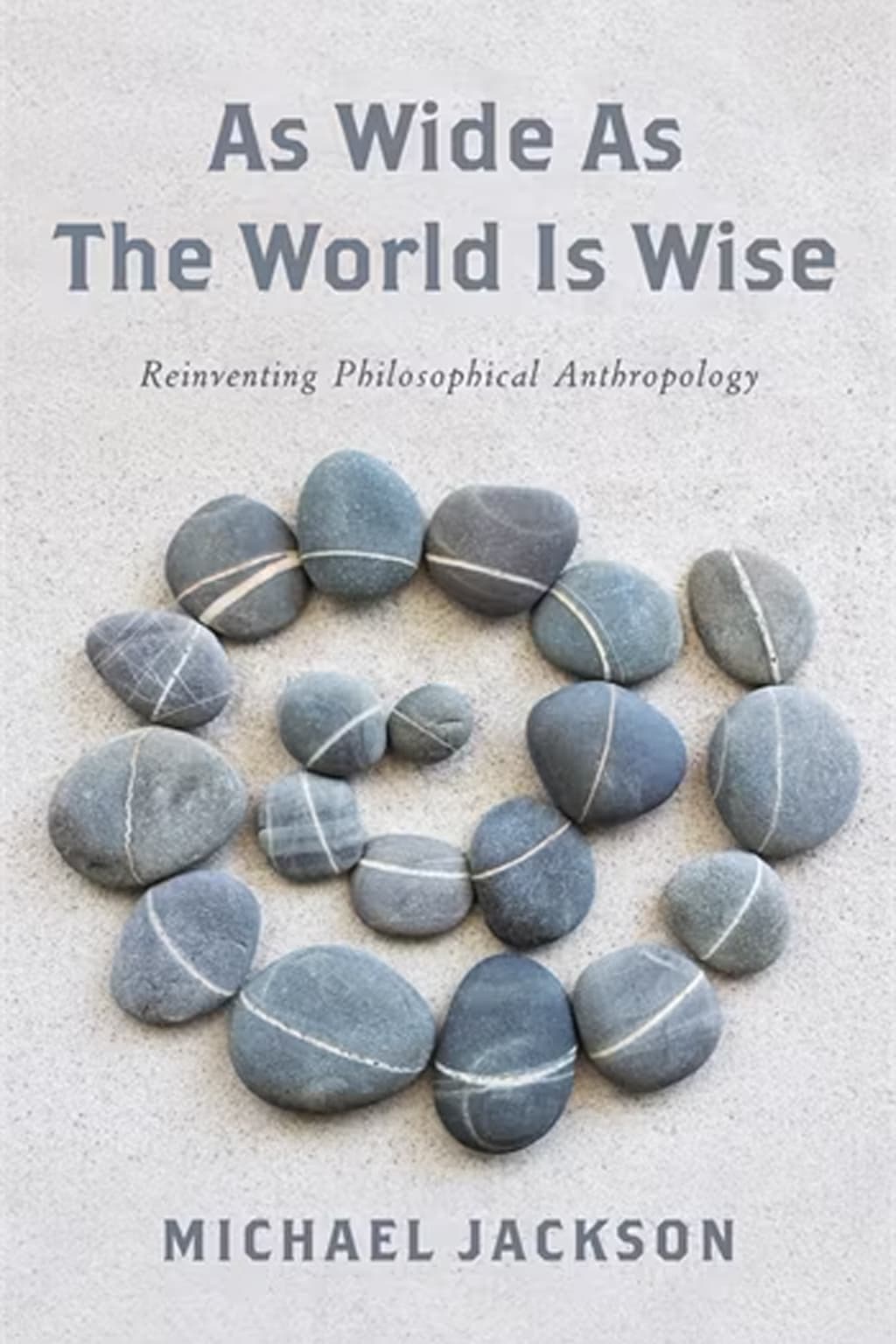
Michael Jackson’s As Wide as the World Is Wise is a thoughtful exploration of human experience across cultures, written in a style that balances philosophical reflection with the grounded texture of ethnography. His prose is both precise and immersive, drawing the reader into the everyday lives of people he studied in West Africa and Aboriginal Australia, while also inviting reflection on the universal questions that connect all human societies. I was particularly struck by Jackson’s insistence on attending to the space between local and global perspectives, and his encouragement to seek commonality without erasing difference.
Reading this book resonated deeply with my own experiences navigating multiple cultural and educational contexts. Having grown up attending Christian, Catholic, and Jewish schools in both public and private settings in Vietnam and the U.S., I have long been aware of cultural and religious diversity, but Jackson’s emphasis on finding commonalities across human experiences reminded me of the value of curiosity, empathy, and attentive listening. It also parallels my journey with The APRIL, which serves as a common space where neurodiverse and neurotypical individuals can reach mutual understanding. I have witnessed firsthand how listening attentively and engaging across backgrounds fosters understanding, builds trust, and allows for meaningful collaboration.
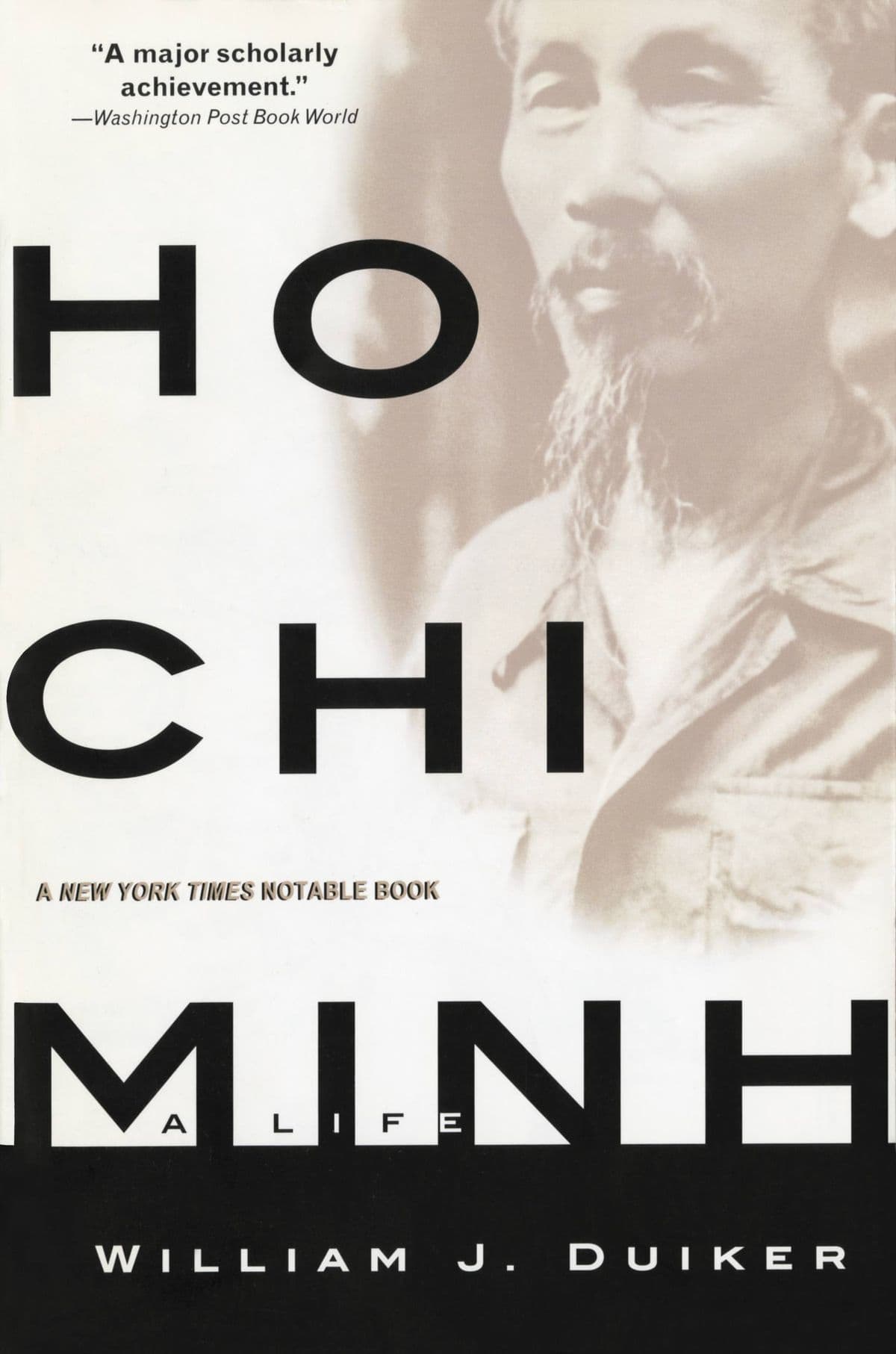
Ho Chi Minh: A Life
I was recommended to read Ho Chi Minh: A Life by my history teacher. This book resonated deeply with me as a Vietnamese navigating the intersections of history, culture, and identity. Duiker’s meticulous research brings Ho Chi Minh to life, not just as a revolutionary leader, but as a person shaped by Confucian ideals of humility, service, and moral responsibility. His writing balances historical detail with narrative intimacy, allowing me to feel a profound connection to my heritage and the historical forces that shaped my country.
As someone who grew up in Vietnam and studied abroad, I often reflect on the tension between local identity and global perspective. Ho Chi Minh’s life—his global travels, engagement with multiple ideologies, yet always returning to serve his people. As I aim to bring my knowledge to make an impact on my beloved hometown Vietnam post graduation, this nspired me to consider my own role in fostering understanding across difference, particularly through spaces like The APRIL, where I work to create dialogue between neurodiverse and neurotypical individuals.
Duiker’s portrayal also reinforced my sense of cultural pride and responsibility. Seeing how Ho Chi Minh’s values shaped Vietnam’s history made me think about the ways we each contribute to our communities.
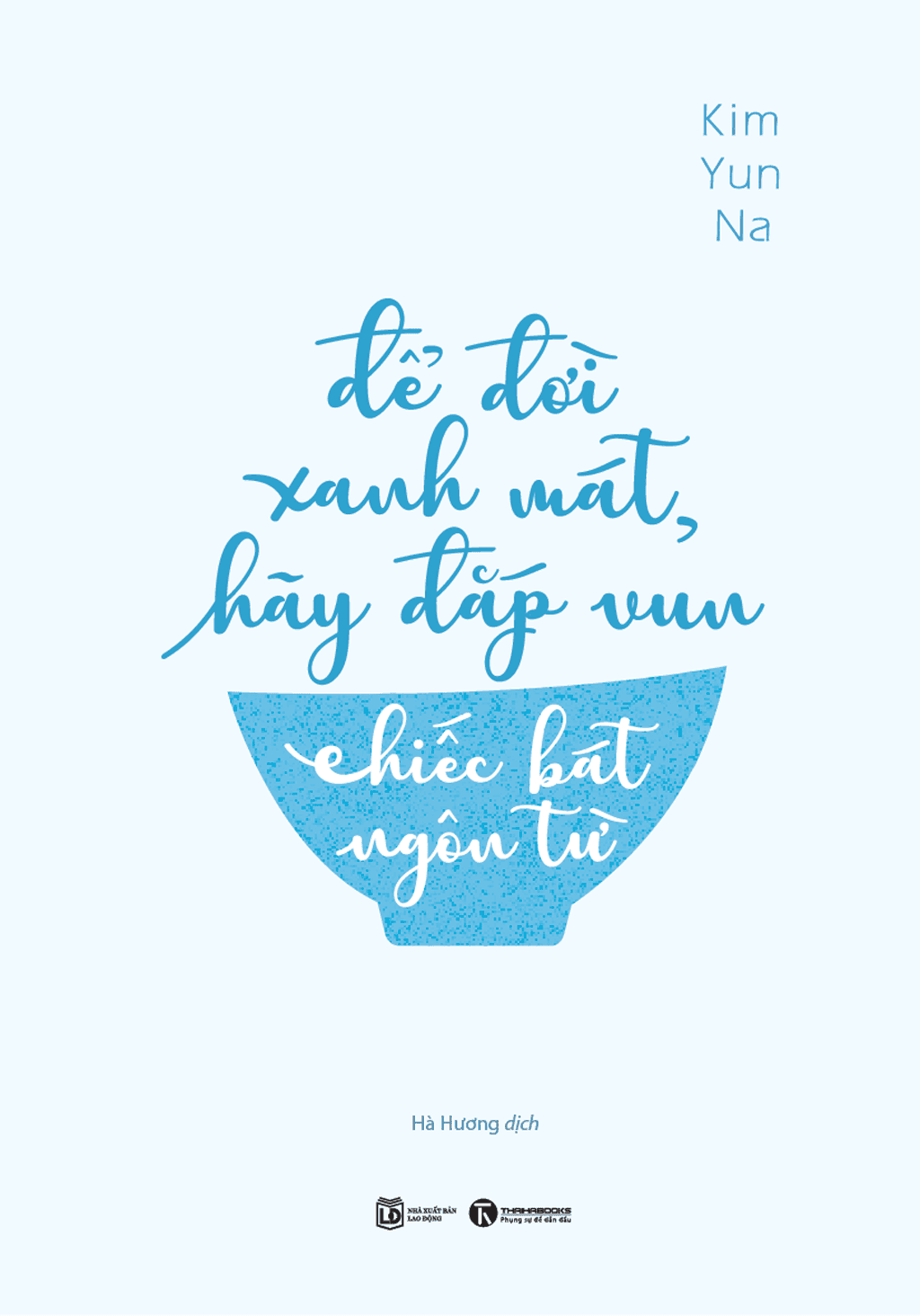
Để đời xanh mát hãy đắp vun chiếc bát ngôn từ
말 한 그릇, or “A Bowl of Words,” by Kim Yu Na, is more than just a book about communication. Since tenth grade, this book has transformed how I interact with people. Communication is no longer just exchanging words; it is an opportunity to connect, heal, and nurture relationships.
Lawson, my best friend for life and my greatest companion in everything I do, is a perfect example. With him, I’ve been able to navigate difficult conversations with emotional intelligence, patience, and care, building a deeper and more trusting friendship. Beyond my personal friendships, the book has shaped how I communicate with families and individuals on the autism spectrum, helping me approach sensitive or emotional conversations with clarity and compassion. It has guided me in spreading messages with the right intentions while honoring the perspectives and feelings of others.
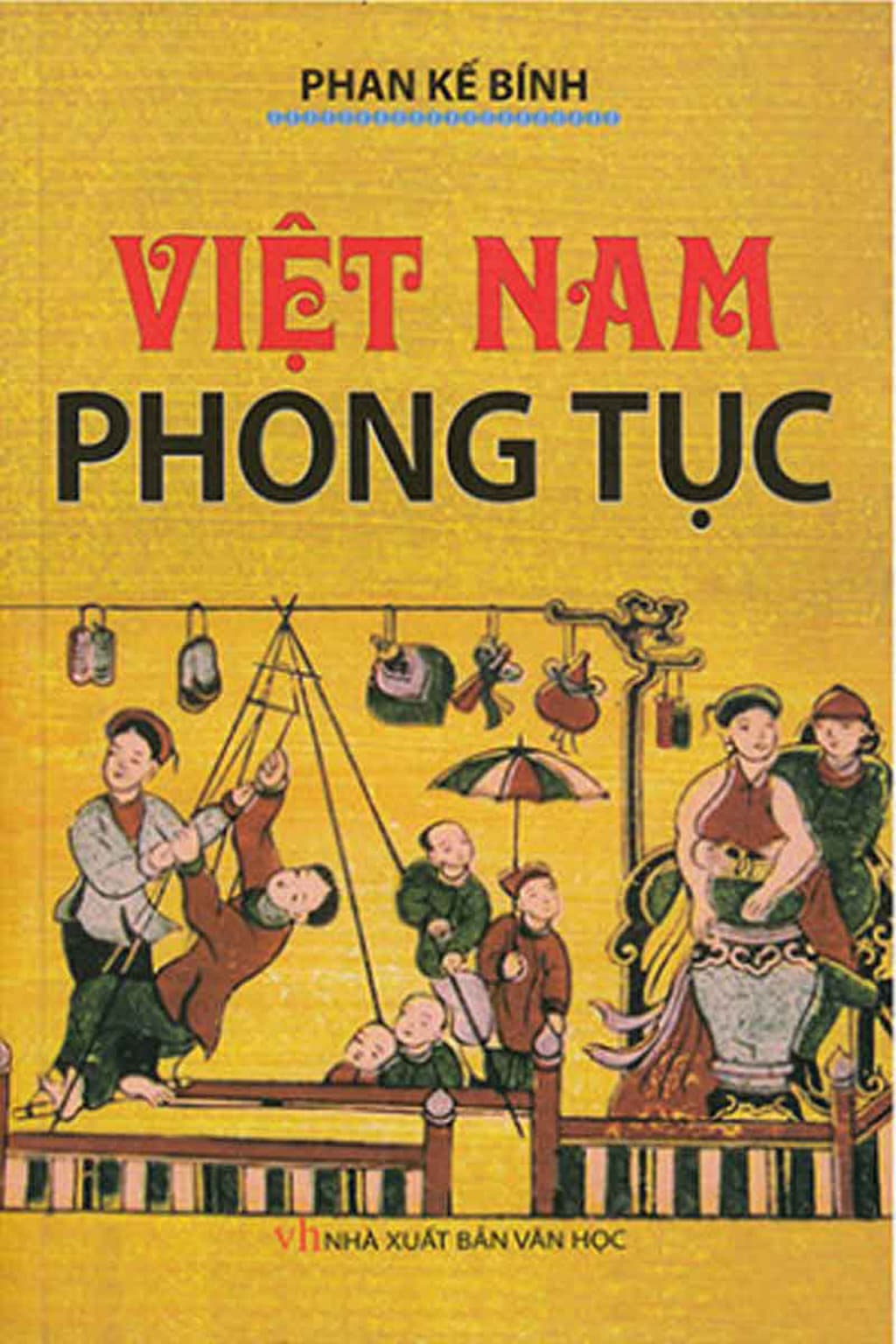
Việt Nam Phong Tục
Phan Kế Bính’s writings, particularly his attention to Vietnamese costumes, rituals, and social traditions, deeply resonate with me. Having moved to America when I was twelve, I often feel a distance from my cultural roots. Through his ethnographic lens, I find a connection and comfort to Vietnam and my ancestors, imagining how their daily practices, celebrations, and struggles shaped their lives.
Reading about these customs often evokes a bittersweet feeling and a critical reflection. While the beauty of Vietnamese traditions is undeniable, I cannot ignore how some practices reflect biases and societal expectations, particularly toward girls and women. This dual awareness has encouraged me to think critically about cultural continuity and change: it is possible and necessary to honor traditions while adapting them to reflect equity and fairness.
Phan Kế Bính’s method of careful observation paired with empathetic explanation inspires not only my understanding of culture but also my approach to leadership and education. His work fuels my conviction that culture is not static; it needs thoughtful stewardship and courageous leadership. I see myself acts as a bridge between past and present—a learner, a thinker, and a disruptor capable of shaping tradtions in ways that honor the past but advance justice and inclusivity in the present.